What is the Lifespan of a Robot Vacuum?
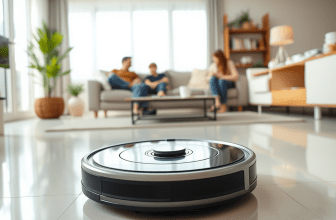
Robot vacuums have transformed the way we maintain cleanliness in our homes. These smart devices offer convenience and efficiency, making them increasingly popular among homeowners. One common question that arises among potential buyers is, “What is the lifespan of a robot vacuum?” In this article, we will explore the factors affecting the lifespan of these devices and provide insights on how to maximize their longevity.
Average Lifespan
The lifespan of a robot vacuum typically ranges from 3 to 6 years. However, this duration can vary based on several factors, including the model, usage patterns, and the care taken to maintain the device.
Key Factors Influencing Lifespan
1. Quality of the Device
The build quality and technology used in a robot vacuum significantly affect its lifespan. Higher-end models often use durable materials and advanced technology that enhance durability. Investing in a well-reviewed and reliable brand can lead to a longer-lasting product.
2. Frequency of Use
How often you use your robot vacuum can impact its lifespan. Devices that are used daily may wear down more quickly than those used a few times a week. For optimal performance, it’s essential to balance regular use with proper maintenance.
3. Maintenance and Care
Regular maintenance is crucial for extending the life of your robot vacuum. This includes:
- Cleaning the Brushes and Filters: Debris can clog the brushes and filters, reducing efficiency. Regular cleaning ensures optimal performance.
- Battery Care: Monitor the battery’s health. Overcharging or allowing it to run down completely can decrease battery life. Many modern robot vacuums have advanced battery management systems that help prolong battery health.
- Regular Software Updates: Keeping the vacuum’s firmware updated ensures it runs with the latest features and optimizations, potentially enhancing its longevity.
4. Home Environment
The environment in which the robot vacuum operates can also affect its lifespan. Homes with a lot of pet hair, carpets, or uneven surfaces may demand more from the device. On the other hand, homes with hard floors and less clutter generally allow for easier navigation and less strain on the vacuum.
How to Extend the Lifespan of Your Robot Vacuum
To ensure your robot vacuum lasts as long as possible, consider the following tips:
- Follow the Manufacturer’s Recommendations: Adhere to the care guidelines provided in the user manual.
- Store Properly: When not in use, store the vacuum in a cool, dry place.
- Replace Parts as Needed: Be proactive about replacing worn-out parts such as brushes and filters to maintain performance.
- Monitor Performance: Pay attention to any changes in performance or unusual noises, as these may indicate a need for repairs.
Conclusion
In summary, the lifespan of a robot vacuum typically ranges from 3 to 6 years, influenced by a variety of factors, including build quality, usage frequency, maintenance, and home environment. By investing in a quality device and following best practices for care, you can help ensure your robot vacuum serves you well for years to come.
Discover more from iPriceFinder – Best Price Comparison & Shopping Deals Across Stores
Subscribe to get the latest posts sent to your email.